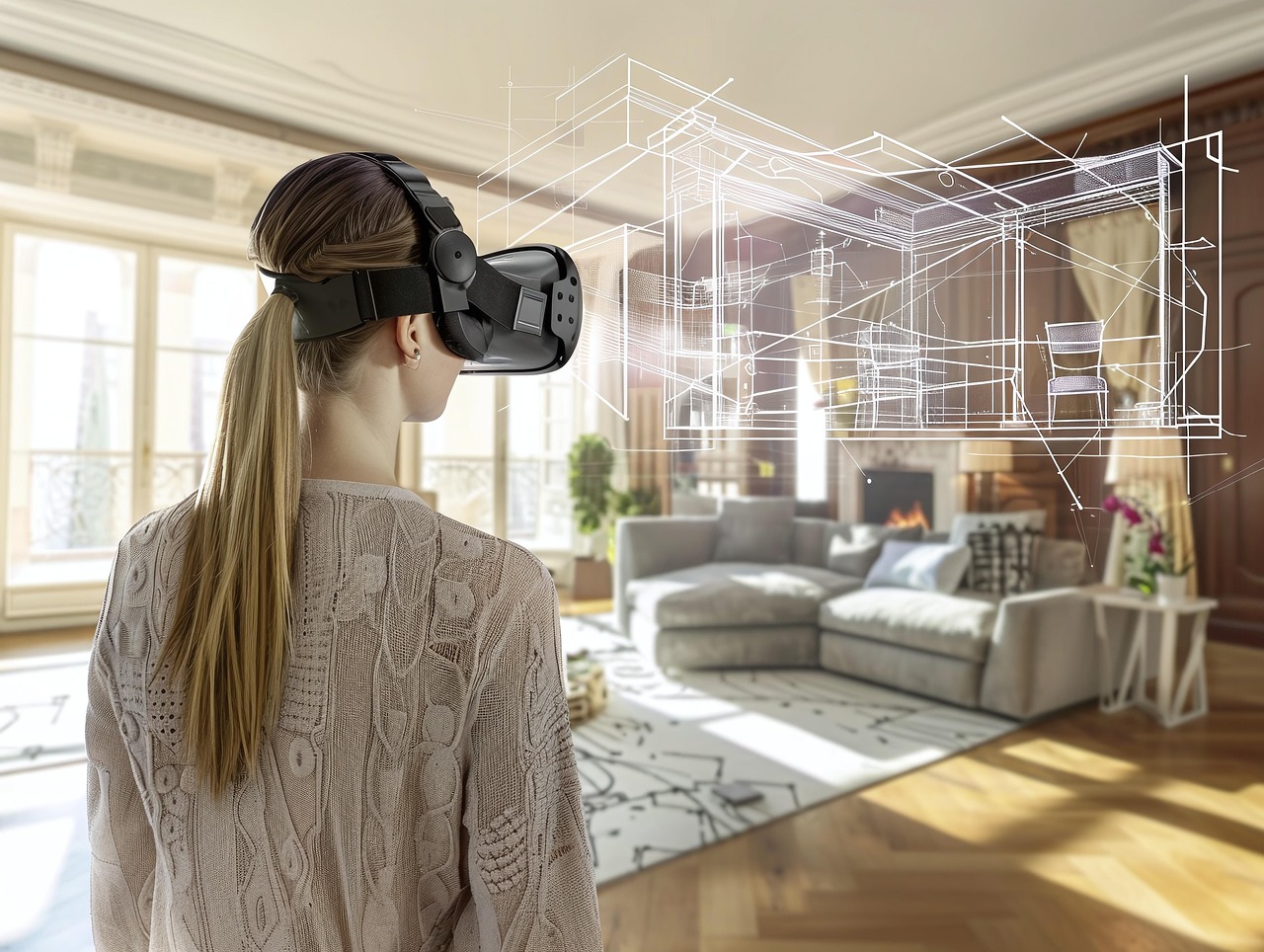
In 2026, the term “VR” has been largely retired. We have officially entered the era of Spatial Computing. The screen is no longer a rectangle in your pocket; it is the air in front of you. But as the technology matures, a massive divide has emerged in how we access this digital layer.
Should you wear a high-fidelity “Environment System” that replaces your world, or a lightweight “Augmentation System” that simply adds to it? At SystemVerdict.com, we’ve tested the three dominant paths of 2026 to see which one deserves your face-share.
1. The High-Fidelity Powerhouse: Apple Vision Pro 2
Apple’s second-generation “Spatial Computer” has addressed the biggest complaint of 2024: weight. Using a new Titanium-Magnesium alloy, the Vision Pro 2 now weighs 440g—a 30% reduction that finally makes it comfortable for 4-hour work sessions.
- The System: Powered by the M4 and R2 chips, it delivers 4.5K Micro-OLED resolution per eye.
- The 2026 Edge: “Mac Virtual Display 2.0.” You can now pull five 4K windows from your Mac into your physical space with zero latency. It is no longer a gadget; it is a legitimate monitor replacement for creative pros.
- The Verdict: The best system for professional productivity and “Immersive Cinema.”
2. The People’s Spatial Computer: Meta Quest 4
While Apple went high-end, Meta went for the masses. At $499, the Quest 4 is the most important hardware system of 2026.
- The System: It uses Super-Pancake Optics and a rear-mounted battery for perfect 50/50 weight distribution.
- The 2026 Edge: “Horizon Workrooms 2026.” Native integration with Windows 12 and Google Workspace has made this the go-to tool for remote teams.
- The Verdict: The winner for social interoperability and gaming. It offers 80% of the Vision Pro’s utility at 15% of the price.
3. The “Everyday” Contender: Xreal One & Ray-Ban Meta
If you don’t want a “helmet,” 2026 has perfected the Smart Glass System.
- Xreal One Pro: These look like slightly thick sunglasses but project a 130-inch virtual screen via Micro-OLED. They are the ultimate “Travel System” for watching movies on a plane.
- Ray-Ban Meta (Gen 2): These have no display, but they are the kings of Audio-AI. In 2026, the “Look and Ask” feature allows the glasses to translate foreign menus or identify plants in real-time via the built-in 12MP camera.
4. 2026 Spatial Comparison Table
| Feature | Apple Vision Pro 2 | Meta Quest 4 | Xreal One Pro |
| Display Tech | 4.5K Micro-OLED | 3.2K Super-Pancake | 1080p Micro-OLED |
| Weight | 440g | 510g | 76g |
| Primary Use | Pro Work / Cinema | Social / Gaming | Portable Monitor |
| AI Integration | Siri (Spatial) | Meta AI (Multimodal) | Device Dependent |
| Price | $3,499 | $499 | $599 |
5. The Privacy Verdict: The “Goggle” Ethics
In 2026, the “System” isn’t just hardware; it’s a data agreement.
- Apple remains the leader in privacy, processing eye-tracking and spatial maps entirely on-device via the Secure Enclave.
- Meta offers more features (like real-time social avatars) but requires more data sharing within the Meta ecosystem.
- Smart Glasses face the most “Social Friction” due to their cameras, though 2026 models now feature non-removable LED recording indicators that are visible even in bright sunlight.
6. The Battery Challenge: Hot-Swapping vs. All-Day
We still haven’t solved the physics of 8-hour batteries in small frames.
- The Vision Pro 2 has moved to a “MagSafe Hot-Swap” system, allowing you to change external battery packs without the headset turning off.
- The Xreal One Pro is wired—it draws power from your phone, which is annoying but ensures the glasses stay lightweight.
The System Verdict
Which Spatial System should you buy?
If you are a Creative Professional who lives in the Apple ecosystem and needs a portable, high-resolution office, the Apple Vision Pro 2 is a $3,400 investment in your productivity.
However, for 90% of consumers, the Meta Quest 4 is the superior system. It is affordable, social, and the library of apps is vastly more mature.
If you just want a Personal Cinema for your commute, skip the headsets entirely and get the Xreal One Pro. It’s the only system on this list you can wear comfortably at a coffee shop without looking like a “glass-hole.”
Final Verdict Score:
- Meta Quest 4: 9.8/10 (Value Winner)
- Apple Vision Pro 2: 9.2/10 (Premium Power)
- Xreal One Pro: 8.9/10 (Mobility King)