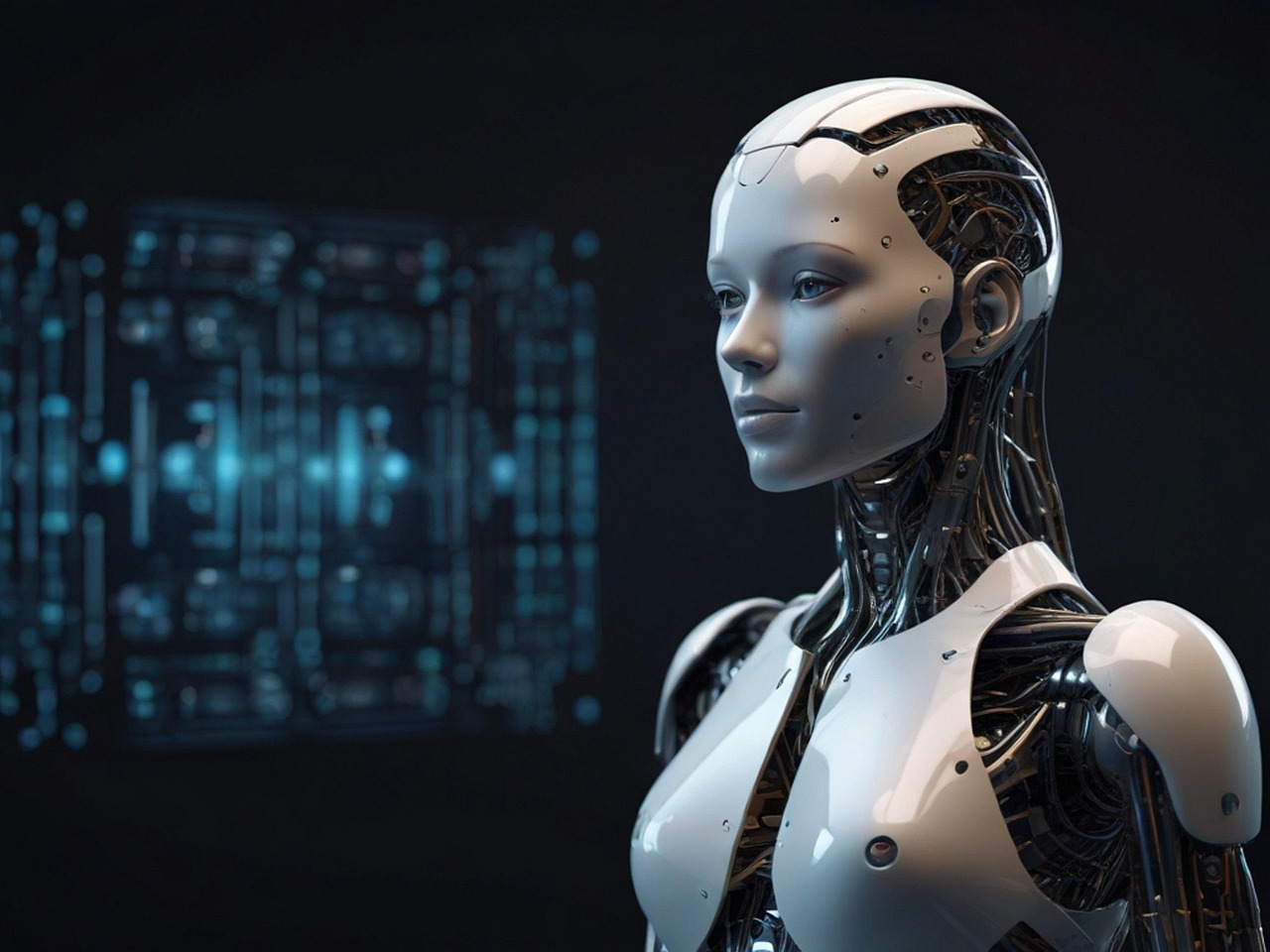
The “Robot Revolution” is no longer a headline for the future; it is a line item on the 2026 balance sheet. We have officially moved past the “pilot” phase. Across logistics, manufacturing, and even hospitality, Physical AI—intelligence embodied in a machine—is solving the global labor shortage.
At SystemVerdict.com, we analyzed the two most significant bipedal systems currently entering the workforce: the Tesla Optimus Gen 2 and the Agility Robotics Digit.
1. Tesla Optimus Gen 2: The Generalist
Tesla’s strategy is simple: apply the “Autopilot” AI from their cars to a human-shaped frame. The Optimus is designed to be a “General Purpose” worker that can learn any task a human can do.
Key Features:
- Tactile Sensing: The 2026 model features 11-degree-of-freedom hands with sensitive tactile sensors, allowing it to handle fragile items like glass or electronics without breaking them.
- End-to-End AI: It doesn’t use hard-coded rules. It learns by watching video of humans performing tasks—a process Tesla calls “Imitation Learning.”
- The Verdict: Best for complex environments where the tasks change daily, such as high-mix manufacturing.
2. Agility Robotics Digit: The Logistics Specialist
While Tesla aims for the home and the factory, Agility Robotics has focused on the warehouse. Digit is the first humanoid to be “employed” at scale, with Amazon opening its first massive Digit factory in Oregon this year.
Key Features:
- Backward-Facing Knees: This unique design allows Digit to crouch lower and maintain better balance while carrying heavy bins (up to 35 lbs).
- Matter-Compatible Fleet Management: Digit systems now integrate with standard warehouse software, allowing one human supervisor to manage a “squad” of 20 robots via a tablet.
- The Verdict: The most reliable and “battle-tested” system for moving boxes and managing inventory.
3. The SMB Disruptor: Standard Bots RO1
Not every business needs a walking humanoid. In 2026, the RO1 has become the “System Verdict” favorite for small machine shops. At $37,000, it brings industrial-grade precision to small-scale CNC tending and 3D print farms, paying for itself in less than 12 months.
4. 2026 Robotics Comparison Table
| Feature | Tesla Optimus Gen 2 | Agility Digit | Standard Bots RO1 |
| Form Factor | Humanoid (Bipedal) | Humanoid (Bipedal) | Cobot Arm |
| Primary Use | General Manufacturing | Logistics / Warehousing | Machine Tending / Lab |
| Intelligence | Vision-Based Neural Net | Rule-Based + AI Navigation | Precision-Motion AI |
| Availability | Limited Enterprise Beta | Winner: Mass Production | High Availability |
| Starting Price | ~$25,000 (Target) | ~$50,000 (Lease options) | ~$37,000 |
5. The “System” Challenge: Simulation-First
In 2026, you don’t buy a robot and “hope” it works. You use a Digital Twin.
- Simulate-then-Procure: Systems like NVIDIA Isaac or DBR77 allow you to build your factory in 3D first.
- You run the robot in the “virtual” world for 1,000 hours. If the ROI makes sense in the simulation, you click “Order” for the physical hardware.
The System Verdict
Which robot is right for your business?
If you are a Logistics or E-commerce giant, the Agility Digit is the only system with the proven uptime and safety record to be deployed today. Its ability to navigate stairs and uneven floors makes it the king of the warehouse.
However, if you are a Tech-Forward Manufacturer, the Tesla Optimus represents the future. Its ability to learn via vision means it will eventually become more versatile than any other machine on earth.
Final Verdict Score:
- Tesla Optimus: 9.1/10 (Potential)
- Agility Digit: 9.6/10 (Practicality)